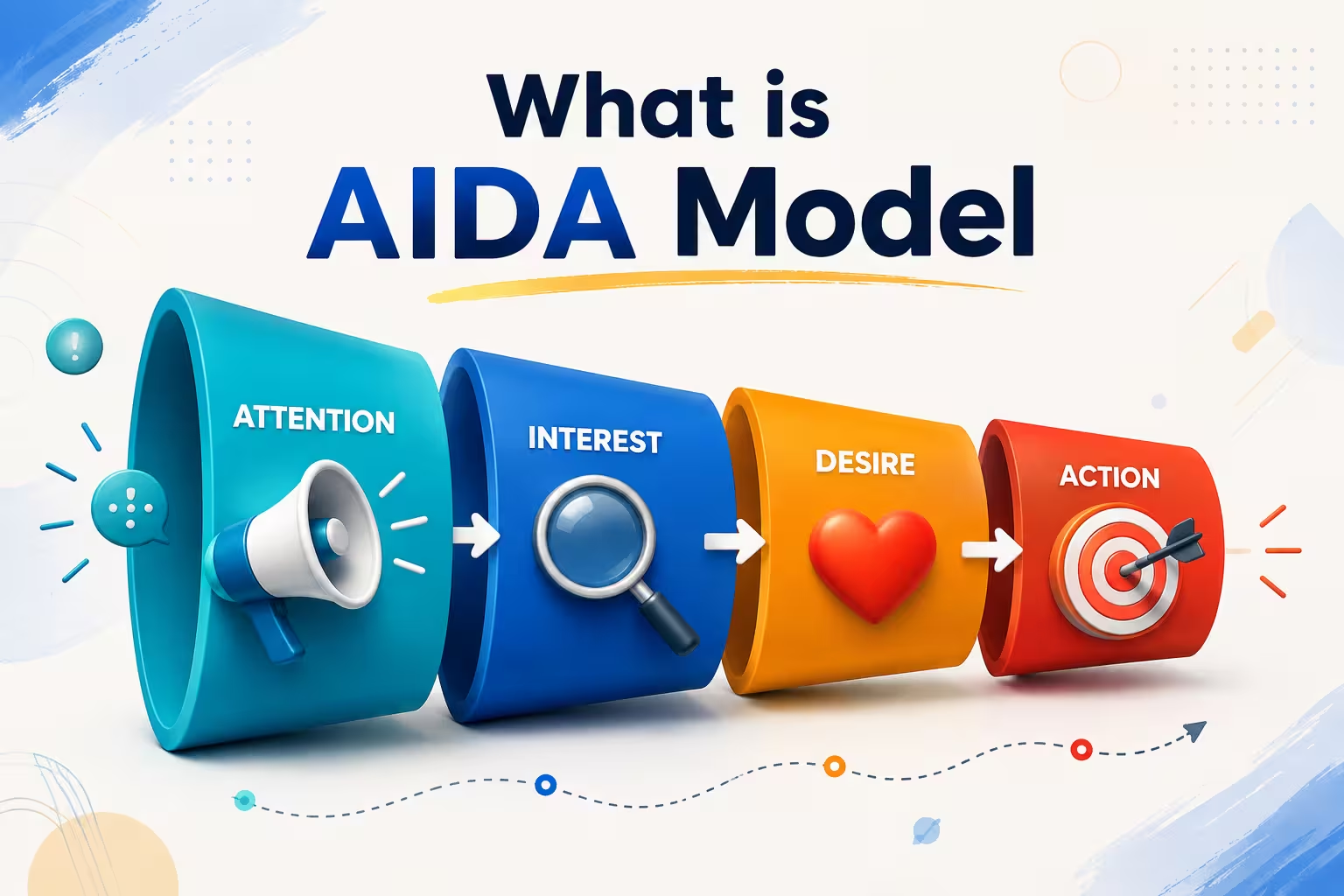

The AIDA model explained is a four-stage marketing framework that maps the customer journey from first contact to final action. AIDA stands for Attention, Interest, Desire, and Action. Think of it as a roadmap that guides your audience from “Who are you?” to “I need this now!” This model works because it mirrors how humans naturally make decisions. we notice something, become curious, want it, and finally take action.
Unlike complicated marketing theories, the AIDA model in digital marketing remains refreshingly straightforward. Whether you’re writing an email, designing a landing page, or creating a social media ad, these four stages provide a clear structure for your message.
Strategic Importance
Understanding the AIDA model advantages gives marketers a competitive edge. First, it creates predictable results by following human psychology rather than guessing what might work. Second, it helps identify exactly where your marketing fails—if people see your ad but don’t click, you’re losing them between Attention and Interest.
The beauty of AIDA model stages is that each phase serves a specific purpose. Attention cuts through noise, Interest builds relevance, Desire creates emotional connection, and Action removes barriers. When businesses skip stages or mix them up, campaigns fail. When they respect the sequence, conversions soar.
AIDA Model Stages
Stage 1: Attention (Awareness)
The first stage is about capturing your audience’s attention in a crowded marketplace. You need to stand out through bold headlines, striking visuals, or unexpected statements that make people stop and notice. This stage answers: “Can you make me pause?”
Stage 2: Interest
Once you have attention, you must spark interest by showing relevance to their life or business. This is where you demonstrate understanding of their problems and hint that you have a solution. This stage answers: “Why should I care?”
Stage 3: Desire
Interest isn’t enough, you need to create genuine desire for your product or service. Use benefits over features, social proof, testimonials, and emotional appeals to make them want what you’re offering. This stage answers: “Why do I need this?”
Stage 4: Action
The final stage removes friction and guides the prospect to take a specific action, buy, sign up, download, or contact. Clear calls-to-action, urgency, and simplified processes are critical here. This stage answers: “What do I do next?”
Successful Brand Example: Dollar Shave Club
What They Did: Dollar Shave Club launched with a viral video that perfectly executed the AIDA model. The video grabbed attention with humor (“Our blades are f***ing great”), built interest by explaining the subscription problem they solved, created desire through witty demonstrations and value proposition, and ended with a clear action, visit their website to sign up.
Why It Worked: They understood their target audience (men frustrated with overpriced razors) and crafted a message that moved seamlessly through all AIDA model stages. The video earned 26 million views and built a company that sold to Unilever for $1 billion. Their success proves that when you respect the psychological journey of your customer, even a simple product like razors can disrupt an entire industry.
Failed Brand Example: Pepsi’s Kendall Jenner Ad
What They Did: Pepsi created a 2017 ad featuring Kendall Jenner joining a protest and handing a Pepsi to a police officer, seemingly resolving tension. While they grabbed attention (millions of views), they completely skipped building genuine interest or desire. Instead, they jumped straight to implied action, drink Pepsi to solve social issues.
Why It Failed: The AIDA model stages were broken. The ad created attention through controversy rather than relevance, failed to build legitimate interest in the product, and created negative desire by appearing tone-deaf to serious social movements. Pepsi pulled the ad within 24 hours after massive backlash. This example shows that rushing through AIDA stages or manipulating them insincerely leads to brand damage, not conversions.
Conclusion
The AIDA model explained isn’t just marketing theory, it’s a practical tool that turns browsers into buyers. By understanding and implementing these four stages, you create marketing that resonates with how people actually think and decide. Start analyzing your current campaigns through the AIDA lens, and you’ll quickly spot opportunities to improve conversion rates.
Leave a Reply